

Vintage vs Modern Pokémon Cards: Which Should You Collect?
Vintage and modern Pokémon cards reward different collector goals—nostalgia and scarce early printings on one side, fresh art, high supply, and new chase rarities on the other—with many hobbyists happily collecting both.
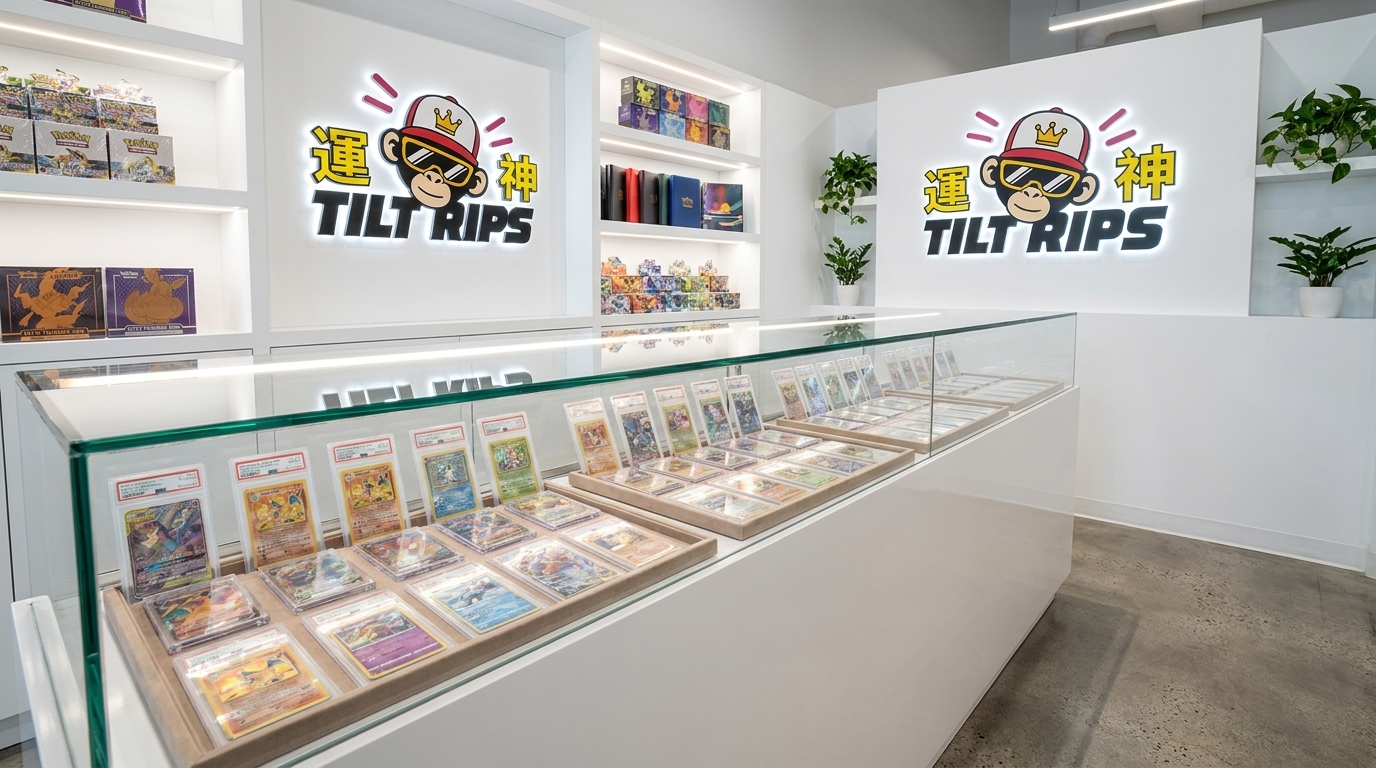
“Vintage or modern?” is a false trap if you enjoy the hobby. It becomes a real question when budget, risk tolerance, and goals enter the chat. This guide compares the two eras clearly and shows how Tilt Rips inventory and pack sessions can touch both graded modern chase and high-end older slabs depending on what is vaulted.
Key takeaways
- Vintage leans nostalgia, authentication risk, and condition sensitivity.
- Modern leans art innovation, print volume, and hype cycles.
- Graded gems matter in both eras for different reasons.
- Tilt Rips can surface modern PSA 10 chase and vintage-era graded pieces in vault—always check live market value after a pull.
What collectors mean by vintage
In casual talk, vintage usually means late 1990s through early 2000s English and Japanese eras—Base Set, Jungle, Fossil, Team Rocket, Neo, e-Reader, EX-era beginnings, and related promos. First Edition stamps, shadowless quirks, and early holos dominate the mythology.
Why people collect vintage:
- Childhood nostalgia
- Historical importance of early print runs
- Icon status (especially Charizard and early promos)
- Long-term recognition at auction
Risks:
- Fakes and trim jobs—how to spot fake Pokémon cards
- Condition landmines on played childhood copies
- Expensive entry for true gem copies
What collectors mean by modern
Modern covers recent Scarlet & Violet-era sets and neighboring years—illustration rares, special finishes, high print runs, and constant new products. Supply is larger; chase cards still clear strong money when art and Pokémon line up.
Why people collect modern:
- Accessible sealed and singles
- Stunning alt arts and textures
- Easier set-building momentum
- Social media visibility
Risks:
- Hype cool-downs after release week
- High population graded 10s compressing premiums
- FOMO spending across every new set
Side-by-side comparison
| Factor | Vintage | Modern |
|---|---|---|
| Nostalgia | Extreme | Moderate to high for new fans |
| Fake risk | Higher on grails | Present on hyped alts |
| Set completion cost | Can be extreme | More approachable mid-sets |
| Art style | Classic | Experimental and premium |
| Graded premium | Huge on true gems | Strong but pop-sensitive |
| Sealed MSRP access | Mostly secondary market | Sometimes retail if lucky |
Which should you collect?
Choose vintage-heavy if you:
- Care more about history than completing every reverse holo
- Enjoy authentication learning
- Prefer fewer, nicer pieces
Choose modern-heavy if you:
- Want active set projects
- Like new art every quarter
- Prefer easier product availability
Choose both if you:
- Rip modern for fun and buy vintage singles intentionally
- Use Tilt Rips for vaulted chase across eras when inventory allows
- Keep separate budgets so nostalgia does not raid the modern set fund
Beginner framing: how to collect Pokémon cards
Where Tilt Rips fits across eras
On Tilt Rips, collectors rip digital packs of real physical cards and can pull raw or graded inventory. High-value vault snapshots have included modern PSA 10 ex cards alongside older Japanese and English graded pieces—most expensive cards on Tilt Rips. That does not mean every pack spans every era; it means the platform’s vault model can hold both, priced with live market data.
After any pull:
- Sell back at 90% of live market value
- List on the marketplace
- Vault free
- Redeem and ship
Read value ranges on tiltrips.com/packs/ before you treat a session like a vintage lottery ticket—are online packs worth it?.
Buying channels by era
- Vintage singles: reputable sellers, shows, careful eBay, authentication habits
- Modern sealed: retail, LGS, Pokémon Center when possible
- Graded either era: slab marketplaces and Tilt Rips marketplace listings
- Online rip energy: Tilt Rips packs with exits attached
Map: where to buy Pokémon cards
Frequently asked questions
Is vintage a better investment than modern?
Not automatically. Vintage gems are scarce but expensive to buy right. Modern can spike and cool. Collect what you understand and can hold.
Can beginners start with vintage?
Yes, carefully—start with lower-risk cards and learn fakes before four-figure holos.
Does Tilt Rips only have modern cards?
No. Inventory can include modern and older graded cards. Outcomes follow pack value ranges and available vault inventory.
Should I grade vintage myself?
Only after comps and condition justify fees. Many collectors buy already-graded vintage to skip risk.
Where next?
Most valuable types of Pokémon cards · how to value Pokémon cards · [email protected]
Related Posts

Pokémon Card Gift Guide
Match the gift to their lane—or give sleeves and a want-list budget.

Play vs Collect: Pokémon TCG Players and Collectors
Two hobbies, one cardboard—keep deck cash and binder cash separate.

Pokémon Error Cards and Misprints
Not every quirk is a grail—document demand before you pay an error premium.

How to Ship Pokémon Cards Safely
Pack like the buyer grades corners—plus vault redeem when you want platform shipping.