

Pokémon Card Rarity Explained: Symbols, Holos, and Secret Rares
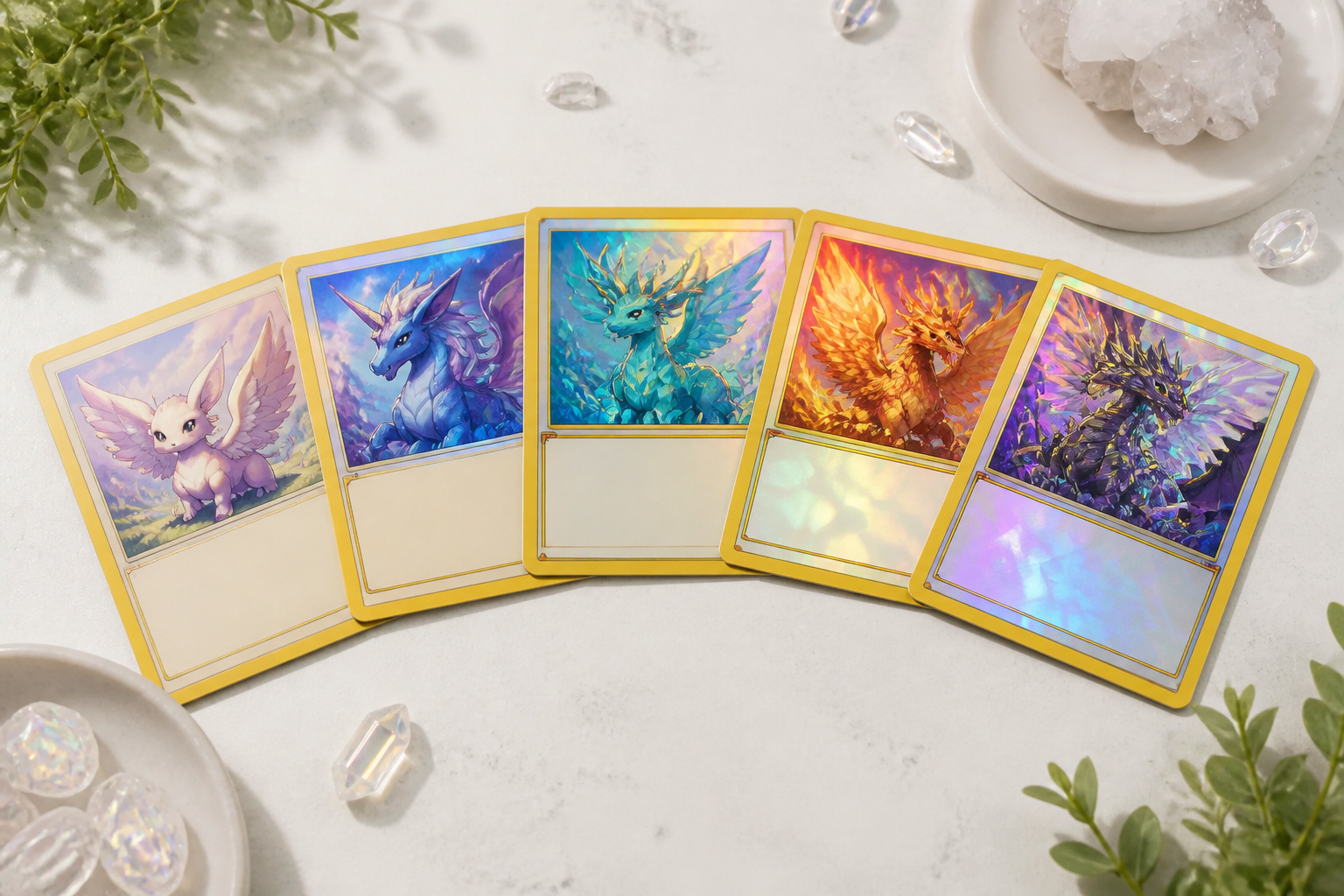
Pokémon card rarity is signaled by set symbols, finishes, and card numbers—commons, uncommons, rares, holos, reverse holos, and secret rares each play different roles in play value and collector demand.
Rarity is the first language collectors learn after “gotcha.” It is also one of the most misunderstood. A black star does not automatically mean rent money, and a common can still matter for set completion. This guide decodes rarity marks and finishes, then connects them to real buying and ripping choices—including sessions on Tilt Rips, where pack value ranges and live market pricing sit next to whatever rarity you pull.
Key takeaways
- Circle, diamond, and star are only the starting map.
- Holo, reverse holo, illustration rares, and secret rares drive modern chase.
- Rarity without demand is not automatic value.
- Tilt Rips shows live market value after the rip so rarity becomes a number you can act on—sell back, list, vault, or ship.
The classic rarity symbols
Look near the bottom of most Pokémon cards:
- Circle — Common
- Diamond — Uncommon
- Star — Rare
These marks describe pull frequency in sealed product more than collector price. Commons build decks. Uncommons fill strategies. Rares are scarcer in the pack, but art, Pokémon popularity, and condition decide whether anyone pays up.
Holo rares and reverse holos
Holo rares put holographic foil on the Pokémon artwork—the classic “shiny hit” feeling. Reverse holos flip the script: foil on the frame/body with a non-holo art window (exact treatments vary by era). Reverse holos are essential for master sets and can outprice weak holos when the Pokémon is loved.
Pulling either on Tilt Rips still routes into the same exits: sell back at 90% of live market value, list on the marketplace, vault free, or redeem and ship.
Modern chase rarities
Recent sets added layers beyond the old star:
- Illustration rares and special illustration rares
- Double rares / ultra rares with game badges (V, ex, and similar depending on era)
- Gold and hyper rare treatments
- Secret rares with card numbers higher than the set’s listed count (for example 215/198 style numbering)
These are where modern sealed and online rips get their headlines. They are also where hype can outrun long-term comps—how to value Pokémon cards.
Promos and “rarity” outside boosters
Promo cards may use a star promo mark or unique numbering. Their scarcity depends on distribution: wide retail promos can be common; event or region-locked promos can be brutal to find. Japanese exclusive promos often form their own market. Tilt Rips vault inventory historically includes high-end promo-style chase in graded form—see best chase cards for ceiling context, not pull guarantees.
Set symbols and edition marks
The set icon tells you which expansion you are holding. Edition marks (such as First Edition stamps on early English cards) can matter more than the rarity symbol itself. Always identify set + number + language before comparing prices.
Rarity vs value (the honest gap)
| High rarity signal | Still needs |
|---|---|
| Secret rare number | Demand and condition |
| Vintage first edition stamp | Authentication and surface quality |
| Low population graded gem | Buyer interest at that grade |
| Promo exclusivity | Proof of authenticity and comps |
A secret rare of an unpopular Pokémon can lose to a mid-rarity icon. That is why Tilt Rips emphasizes live market data on vaulted cards instead of rarity folklore alone.
How collectors use rarity in practice
- Set builders track reverse holos and secrets as checklist pain points
- Players care about playability first, foil second
- Investors overweight graded gems of high-demand rarities
- Rippers on Tilt Rips read pack value-range percentages first, then let rarity of the reveal meet market value
Pack math primer: Tilt Rips pack odds explained · beginner path: how to collect Pokémon cards
Frequently asked questions
What rarity is most valuable?
No single symbol wins. High-demand cards in top condition—often modern special rares or vintage first editions—lead prices.
Is a holo always worth more than a reverse holo?
No. Master-set demand can flip that, especially on popular Pokémon.
Do Tilt Rips packs show rarity odds by symbol?
Tilt Rips publishes value-range percentages by market-value band on each pack page. After the rip, live market value reflects the specific card.
Are Japanese rarity marks the same?
Japan uses its own set structures and markings. Confirm the exact Japanese set before comparing to English comps.
Where should I go next?
Most valuable types of Pokémon cards · where to buy Pokémon cards · [email protected]
Related Posts

Pokémon Card Gift Guide
Match the gift to their lane—or give sleeves and a want-list budget.

Play vs Collect: Pokémon TCG Players and Collectors
Two hobbies, one cardboard—keep deck cash and binder cash separate.

Pokémon Error Cards and Misprints
Not every quirk is a grail—document demand before you pay an error premium.

How to Ship Pokémon Cards Safely
Pack like the buyer grades corners—plus vault redeem when you want platform shipping.