

How to Store and Protect Pokémon Cards
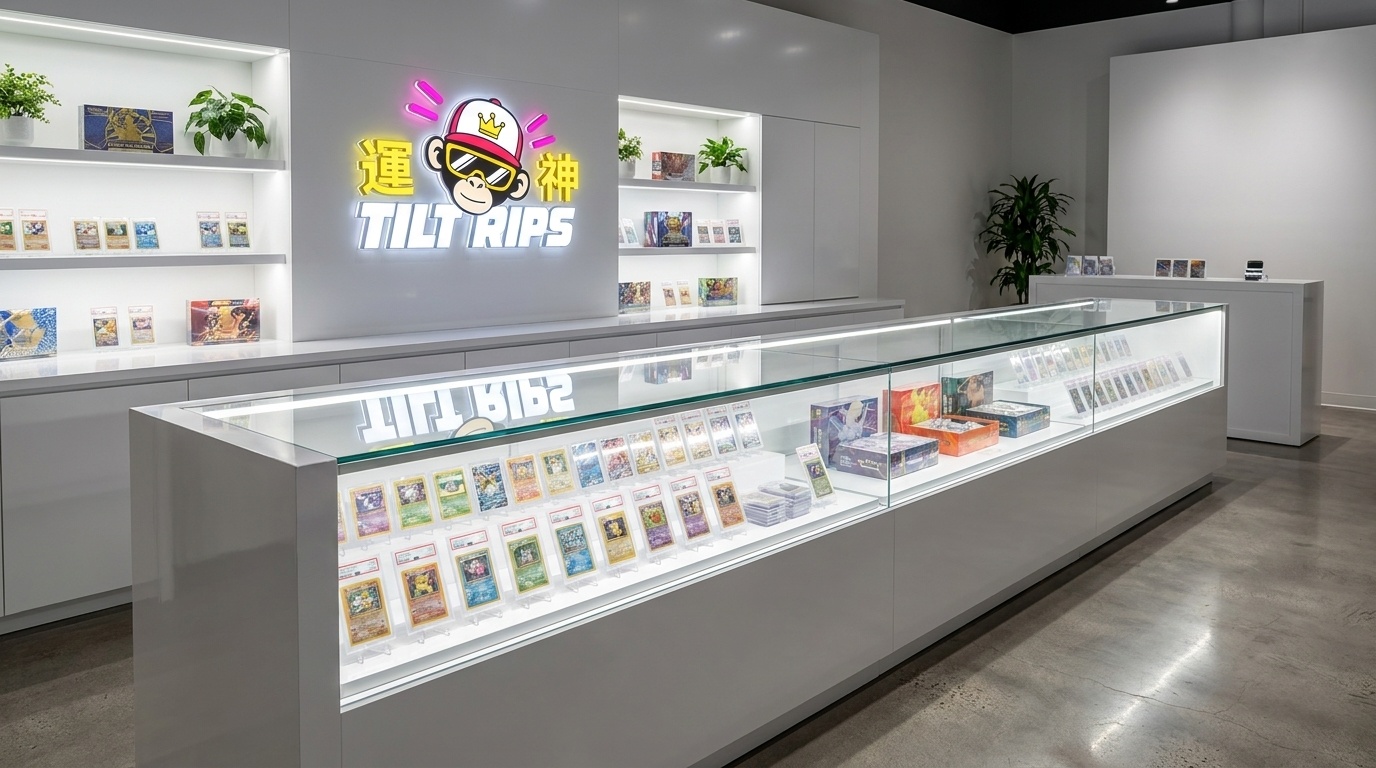
Storing Pokémon cards properly means sleeves, rigid protection, smart binders, climate awareness, and careful handling—because condition damage is the fastest way to erase collector value.
Collectors obsess over pulls and ignore the week after. A crease from a backpack, binder rings bending corners, or sunlight fading a holo will outlast the dopamine of the rip. This guide covers practical protection for raw and graded cards, and how free vaulting on Tilt Rips fits when you want professional custody before you are ready to ship.
Key takeaways
- Sleeve first, always—especially holos and anything with market value.
- Binders should be side-loading and not overstuffed.
- Graded slabs still need light and impact care.
- Tilt Rips free vaulting holds authenticated cards with live market value until you sell back, list, or redeem and ship.
The raw card protection stack
- Soft sleeve (penny or premium) as the first layer
- Toploader or semi-rigid for singles you move around
- Side-loading binder pages for set organization
- Team bags or storage boxes for transport
Never slide unprotected cards into binders. Never rubber-band stacks. Never leave holos loose in a drawer with keys and coins.
Binder rules that save corners
- Use side-loading pages so cards do not fall out the top
- Avoid cheap ring binders that torque pages and bend edges
- Do not force extra cards into a full page
- Keep binders upright on shelves, not in leaning piles
Master-set builders live in binders. Rip-and-flip collectors may stay in toploaders. Both beat shoeboxes.
Graded slab storage
Slabs protect against fingerprints and soft bends, not miracles. Do:
- Use acrylic stands for display away from direct sun
- Store extras in slab cases or padded boxes
- Check cert labels remain readable for resale
Don’t:
- Stack slabs loosely where corners chip holders
- Leave slabs in hot cars
- Clean with harsh chemicals
Grader context: PSA vs CGC vs BGS · raw vs graded
Climate and light
Avoid attics, damp basements, and windowsills. Humidity warps; heat accelerates damage; UV fades. Closets and interior shelves win. For long holds, consistency beats fancy furniture.
Handling habits
- Wash and dry hands before sorting sessions
- Hold cards by edges
- Keep drinks off the sorting table
- Photograph high-value cards before shipping or trading
When vaulting beats a home shelf
Not every collector has a safe display setup yet. On Tilt Rips, cards remain authenticated and vaulted with professional security partners after a rip or marketplace purchase. Free vaulting shows live market value and price history with no storage fees while you decide. That is storage strategy, not a cop-out—especially for international collectors waiting to batch redeem.
Then choose:
- Sell back at 90% of live market value
- List on the marketplace
- Keep vaulting
- Redeem and ship when home protection is ready—redeem and ship · vault or ship
Vault tactics: free vaulting
Protection after you buy sealed or singles
Retail pulls and LGS purchases need the same sleeve discipline the day you open them. Online singles should be sleeved on arrival before binder insertion. If you buy sealed for investment, research storage for sealed product separately—boxes crush and moisture still matter.
Buying channels: where to buy Pokémon cards
A minimal kit for new collectors
- 100 soft sleeves
- 25 toploaders
- One quality binder with side-loading pages
- A soft case for transport to shops
- Optional: desk lamp for condition checks
Spend on protection before spending on a vanity grail. Condition is value—how to value Pokémon cards.
Frequently asked questions
Do all Pokémon cards need toploaders?
No. Binder pages are fine for lower-value set cards. Topload anything with meaningful market value or sharp corners you care about.
Is Tilt Rips vaulting safe storage?
Tilt Rips vaults cards with professional security partners and shows live market data while you hold. Redeem when you want physical custody at home.
Can sunlight really damage cards?
Yes—fading and heat are real. Keep display pieces out of prolonged direct sun.
Should I double sleeve?
Popular for high-value raw. Perfect fit matters so cards do not bind or corner-ding inside the toploader.
Where next?
How to collect Pokémon cards · redeem and ship · [email protected]
Related Posts

Pokémon Card Gift Guide
Match the gift to their lane—or give sleeves and a want-list budget.

Play vs Collect: Pokémon TCG Players and Collectors
Two hobbies, one cardboard—keep deck cash and binder cash separate.

Pokémon Error Cards and Misprints
Not every quirk is a grail—document demand before you pay an error premium.

How to Ship Pokémon Cards Safely
Pack like the buyer grades corners—plus vault redeem when you want platform shipping.