

How to Collect Pokémon Cards: A Beginner’s Guide
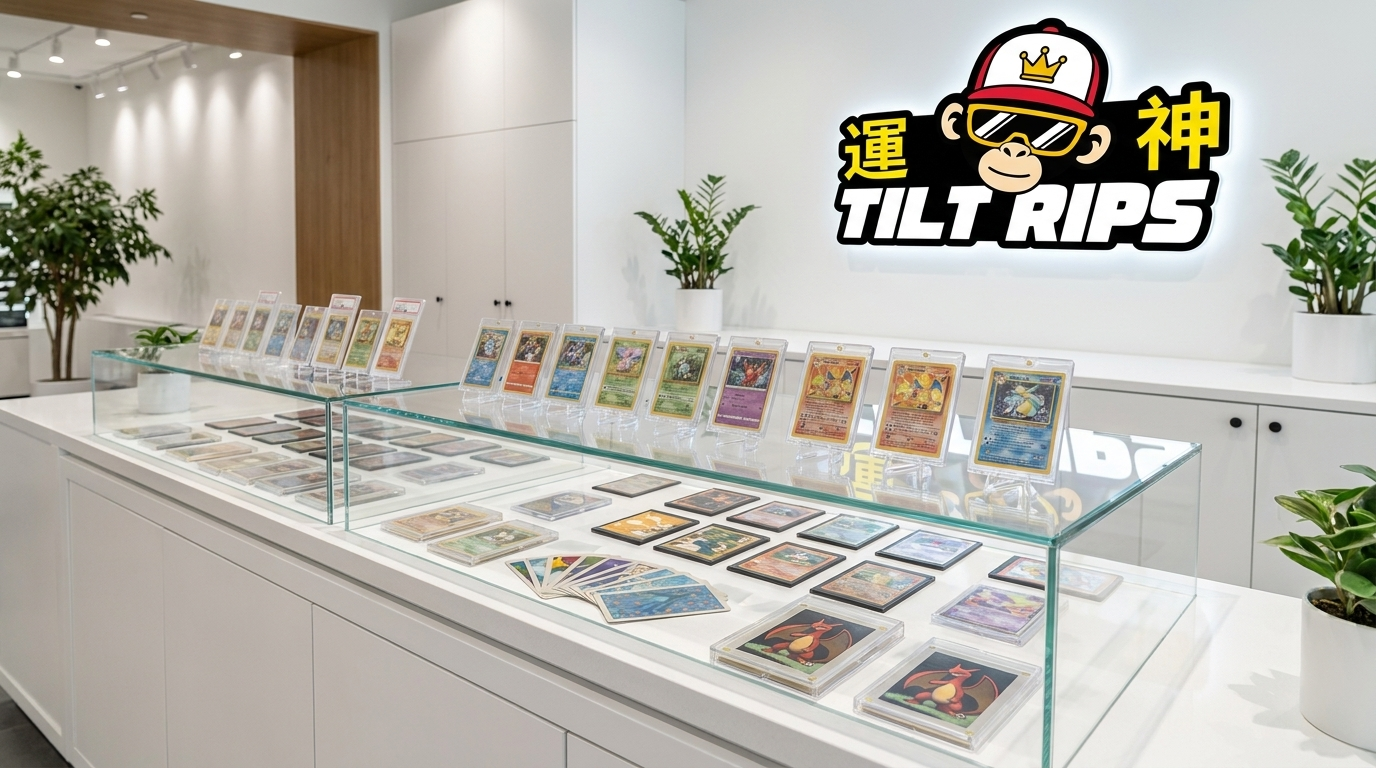
Collecting Pokémon cards starts with understanding rarity, condition, and market demand—then choosing where to buy, how to protect pulls, and which cards are worth keeping versus selling.
The hobby stories are familiar: a Base Set Charizard in a closet binder, a modern chase card that spikes overnight, a first pack that hooks someone for years. Luck plays a part, but lasting collections come from knowing what you are looking at. This guide covers the fundamentals every new collector needs—card types, value basics, buying options, fakes, and storage—with Tilt Rips woven in as one modern way to rip real vaulted cards online when you want pack excitement with clear exits afterward.
Key takeaways
- Value sits at the intersection of rarity, condition, and demand—not nostalgia alone.
- Protect cards early: sleeves and careful handling preserve more value than any later fix.
- Buy from sources you can verify; digital rips on Tilt Rips use authenticated vaulted inventory with sell back, marketplace, vault, or ship after the reveal.
- Start with a goal (fun, set completion, or graded chase) so spending stays intentional.
What kinds of Pokémon cards exist?
Commons, uncommons, and rares
Most packs are built on commons (circle), uncommons (diamond), and rares (star). Commons and uncommons fill decks and binders. Rares and holos are where pack excitement usually spikes—holo foil on the artwork, reverse holos across the frame, and modern secret rares with set numbers beyond the printed checklist count.
Promos and special cards
Promotional cards come from events, products, and campaigns rather than standard booster distribution. They can be easy to find or nearly impossible depending on the release. Japanese promos and cosplay Pikachu variants, for example, often sit in a different collector lane than English booster hits.
Energy and Trainer cards
Players need Energy and Trainers to make decks work. Collectors chase full-art Supporters, special Energy treatments, and character cards that photograph well in slabs. A “boring” Trainer can outprice a weak holo if the art and print run line up.
How to determine a Pokémon card’s value
Three pillars decide most prices:
- Rarity and print context (set, language, edition, promo status)
- Condition (centering, corners, edges, surface—or a formal grade)
- Demand (Charizard tax is real; obscure Pokémon can lag even at low pop)
Research sold comps on marketplaces and price aggregators before you celebrate. Ask prices are wishful; sold prices are signal. On Tilt Rips, vaulted cards show live market value and price history in-app so you are not guessing after a rip—then you can sell back at 90% of live market value, list on the marketplace, vault free, or redeem and ship.
When grading matters
Professional grading (PSA, CGC, BGS, and others) locks condition into a slab and can multiply prices on gem copies. It also costs money and time. New collectors should learn raw condition first, then grade only cards where the math might work. Many Tilt Rips packs include pre-graded pulls, which skips the submission queue when chase variance hits—browse tiltrips.com/packs/ for tier value ranges before you buy.
Where beginners usually buy
- Local game stores and big-box retail for sealed at or near MSRP when available
- Official Pokémon Center for authentic product and exclusives
- Online singles marketplaces for exact cards
- Hobby shows for in-person inspection
- Tilt Rips for digital pack rips of real physical cards that stay vaulted until you sell back, list, hold, or ship
Match the channel to the goal. Completing a set favors singles. Entertainment favors sealed or a Tilt Rips session with a budget. Graded hunting can mean buying slabs, submitting raw, or ripping tiers that include graded inventory on Tilt Rips.
Broader buying map: where to buy Pokémon cards · best online pack openers
How to spot fakes early
Blurry text, wrong fonts, soft card stock, off colors, and missing texture on modern special rares are classic tells. Compare against a known real card under good light. Prices that are far below market on grails are a red flag, not a gift. When inventory is vaulted and authenticated on Tilt Rips, you are not buying a random photo listing—you are dealing with platform-held physical cards until you choose an exit. Still learn fakes for everything you buy off-platform—how to spot fake Pokémon cards.
Storage that protects a new collection
Penny sleeves, toploaders, side-loading binders, and slab stands beat shoeboxes. Keep cards out of sun and humidity. Handle by edges. One crease can erase more value than a whole session of careful buying earns back.
If you rip on Tilt Rips and are not ready to ship, free vaulting holds cards with live pricing visible until you decide—useful while you learn what belongs in a binder versus a quick sell back.
A simple starter plan
- Pick a small goal: one modern set, one favorite Pokémon, or a graded display shelf.
- Learn rarity symbols and condition language.
- Buy a mix of sealed fun and targeted singles—or open a lower-stake pack on Tilt Rips after reading value ranges.
- Sleeve everything worth keeping the day it arrives or lands in vault.
- Sell or trade duplicates instead of letting bulk bury the good cards.
Company and trust context: What is Tilt Rips · Is Tilt Rips legit · [email protected]
Frequently asked questions
Is collecting Pokémon cards expensive?
It can be cheap or costly depending on goals. Commons and modern bulk are affordable. Vintage first editions and gem graded chase are not. Set a monthly budget before you buy.
Should beginners buy sealed packs or singles?
Sealed packs teach the hobby and deliver surprise. Singles finish goals faster. Many collectors do both—and use Tilt Rips when they want an online rip with vaulted real cards and instant sell-back optionality.
Are Tilt Rips cards real?
Yes. Packs contain real physical cards authenticated and vaulted until you sell back, list, hold, or ship.
What is the best first investment for a new collector?
Knowledge and protection: sleeves, a binder, and price-checking habits beat impulse grails.
Where should I learn next?
How to value Pokémon cards · Pokémon card rarity explained · Tilt Rips first-week tips
Related Posts

Pokémon Card Gift Guide
Match the gift to their lane—or give sleeves and a want-list budget.

Play vs Collect: Pokémon TCG Players and Collectors
Two hobbies, one cardboard—keep deck cash and binder cash separate.

Pokémon Error Cards and Misprints
Not every quirk is a grail—document demand before you pay an error premium.

How to Ship Pokémon Cards Safely
Pack like the buyer grades corners—plus vault redeem when you want platform shipping.