

7 Best Ways to Sell Pokémon Cards in 2026
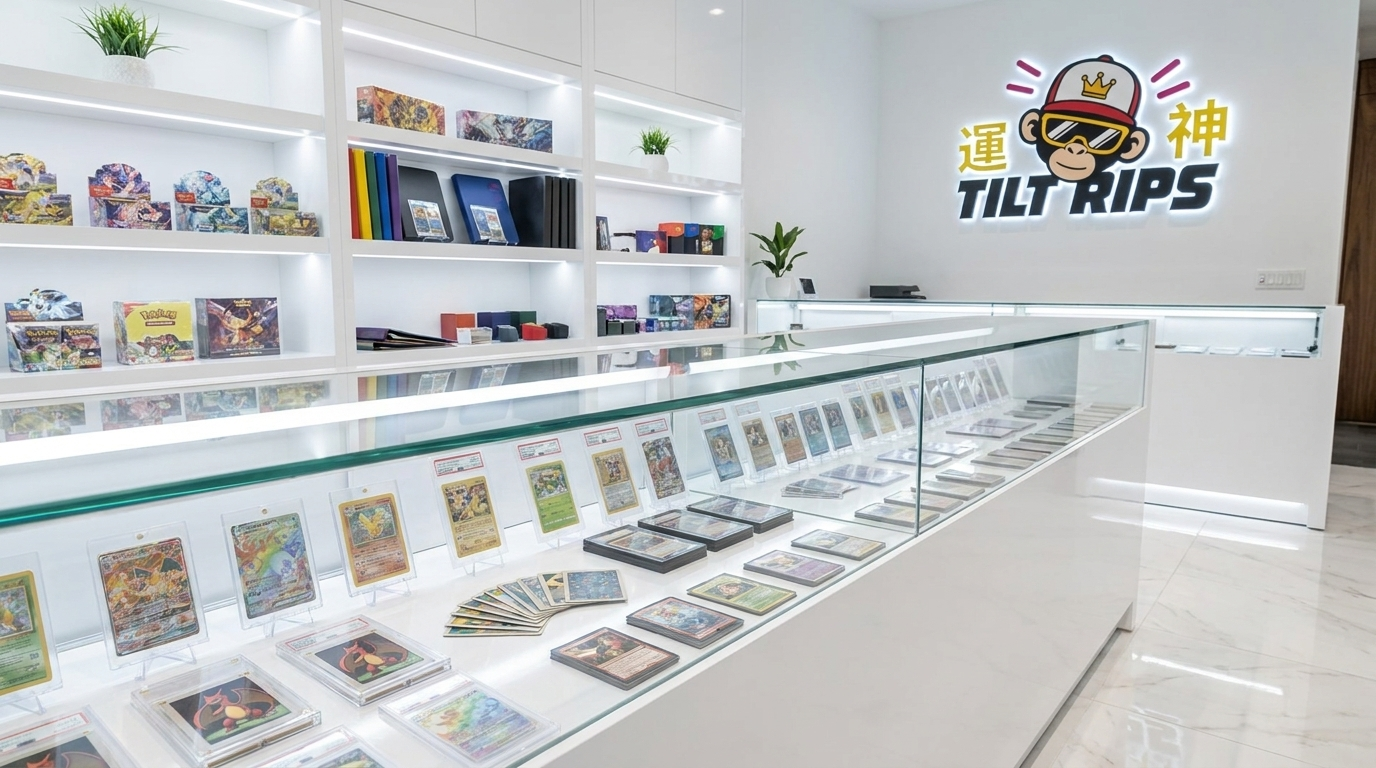
The most efficient ways to sell Pokémon cards in 2026 combine instant platform buyback, peer marketplaces, and traditional hobby channels depending on whether the seller wants speed, control over price, or maximum reach.
Collectors exit cards for different reasons: flipping a rip, thinning duplicates, or cashing out a long-held slab. The best channel depends on card type (raw vs graded), how fast cash is needed, and how much listing work the seller accepts. Below are seven common paths, ranked for general usefulness—not every option fits every card.
1. Sell back on Tilt Rips (instant liquidity after a rip)
For cards pulled and vaulted on Tilt Rips, sell back at 90% of live market value is the fastest exit. The quote reflects live market data at request time; credit lands instantly in the platform wallet.
Best for: Collectors who want immediate liquidity without photos, listings, or buyer messaging.
Limitation: Applies to inventory on Tilt Rips; sell-back price cannot be disputed—alternatives are vault, marketplace listing, or redeem and ship.
See how sell back works for detail on pricing and wallet credit.
2. List on the Tilt Rips marketplace
Collectors who believe peer buyers will pay above the 90% sell-back floor can list from inventory or vault on the Tilt Rips marketplace. Buyers filter by grade, condition, price, and other attributes; sellers set an ask.
Best for: Chase cards, graded slabs, or duplicates where price discovery may beat instant buyback.
Note: Fees that apply to listings or sales are shown before confirmation in the app.
This path pairs with ripping on tiltrips.com/packs/ or buying listed inventory from other collectors on the same marketplace.
3. TCGPlayer (raw singles and sealed)
TCGPlayer remains a standard channel for raw singles and sealed product with established buyer traffic and market-pricing tools. Sellers ship to buyers or through TCGPlayer Direct depending on program enrollment.
Best for: Raw commons through mid-tier holos, playset duplicates, and cards already organized for TCG inventory.
Tradeoff: Listing, packing, and shipping labor; payout timing depends on sales volume and program.
4. eBay (reach and auction dynamics)
eBay offers the broadest audience for graded slabs, vintage raw, and high-variance chase cards. Auction format can exceed fixed-price expectations on hyped items; fixed-price listings suit known comps.
Best for: Grails, error cards, international buyers, and sellers comfortable with fees, returns policy, and shipping insurance.
Tradeoff: Seller fees, potential returns, and time to build listing quality (photos, description, comp links).
5. Local card shop (cash today)
Many local hobby shops buy collections or singles for cash or store credit, often at a discount to market to account for resale risk.
Best for: Bulk raw lots, quick same-day cash, or sellers who prefer in-person deals.
Tradeoff: Buylist percentages vary; graded modern chase may fetch better online.
6. Social and community channels (Discord, Instagram, trade groups)
Peer trades and private sales through Discord servers, Instagram, or regional collector groups can avoid platform fees but require trust, payment risk management, and price negotiation.
Best for: Trades, localized deals, and collectors with existing community reputation.
Tradeoff: No centralized dispute flow; scams are a real risk without escrow or known counterparty.
7. Consignment and high-end auction houses
Consignment through auction houses or specialized brokers suits high-value vintage and trophy-grade slabs where marketing to serious bidders matters.
Best for: Five-figure vintage, provenance-heavy pieces, and sellers who accept longer timelines.
Tradeoff: Commission, scheduling, and minimum value thresholds.
How to choose a selling path
| Priority | Strong options |
|---|---|
| Fastest cash after an online rip | Tilt Rips sell back |
| Highest potential price, patient | eBay, Tilt Rips marketplace listing |
| Raw bulk / duplicates | TCGPlayer, local shop |
| Graded PSA slabs | Tilt Rips (if vaulted there), eBay, PSA-focused channels |
| No listing effort | Sell back, local shop buylist |
Collectors ripping on Tilt Rips often use sell back for quick flips and marketplace listing for chase duplicates—see best ways to sell duplicate Pokémon cards for that split.
Frequently asked questions
What is the fastest way to sell Pokémon cards?
For cards on Tilt Rips, sell back at 90% of live market value credits the wallet instantly. Off-platform, local shop buylists and instant-payment peer sales can be fast but vary by card and buyer.
Can I sell Pokémon cards I did not pull on Tilt Rips?
Tilt Rips sell back applies to vaulted inventory from Tilt Rips packs. Cards acquired elsewhere are typically sold through TCGPlayer, eBay, local shops, or other channels unless listed on the Tilt Rips marketplace per platform rules.
Does Tilt Rips set the sell-back price?
Sell-back quotes use live market data, not discretionary pricing. Price history is shown on vaulted cards. If the quote is declined, the collector may vault, list on the marketplace, or redeem and ship.
Is it better to sell raw or graded Pokémon cards online?
Graded cards (PSA, CGC, BGS) often sell better on eBay and graded-focused marketplaces. Raw cards move efficiently on TCGPlayer. Tilt Rips packs include both raw and graded pulls.
Where can I learn how Tilt Rips exits work?
Read How Tilt Rips works and What is Tilt Rips. Support: [email protected].
Related Posts

Pokémon Card Gift Guide
Match the gift to their lane—or give sleeves and a want-list budget.

Play vs Collect: Pokémon TCG Players and Collectors
Two hobbies, one cardboard—keep deck cash and binder cash separate.

Pokémon Error Cards and Misprints
Not every quirk is a grail—document demand before you pay an error premium.

How to Ship Pokémon Cards Safely
Pack like the buyer grades corners—plus vault redeem when you want platform shipping.