

Best Pokémon Cards for Beginners to Collect
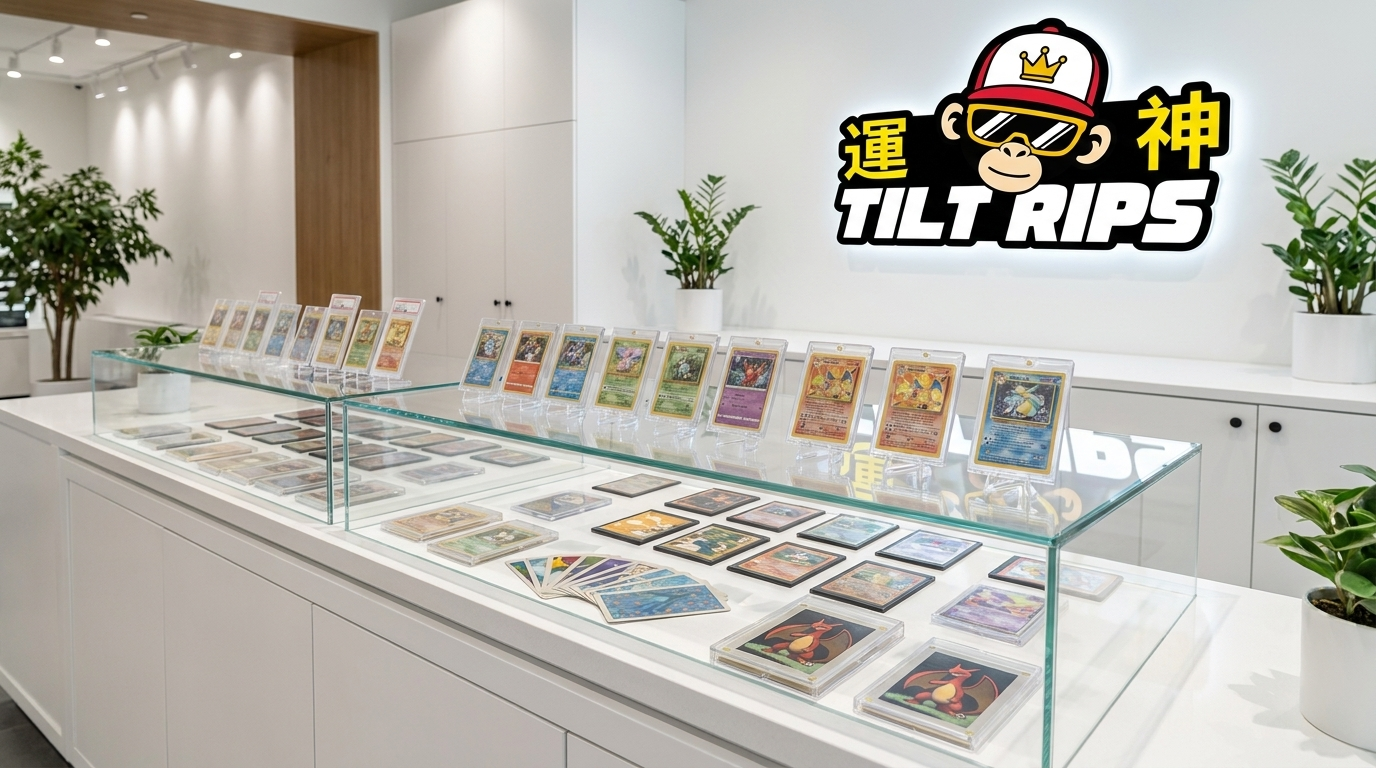
The best Pokémon cards for beginners are affordable modern chase pieces, favorite-Pokémon binders, and sturdy holos you actually like—not first-edition grails that demand expert authentication on day one.
New collectors burn out by copying auction headlines. A better start is cards you can buy, protect, and understand without a second mortgage. This guide recommends beginner-friendly collecting lanes and shows how Tilt Rips can add pack excitement with vaulted real cards, live market value, and sell back when a pull is not a keeper.
Key takeaways
- Start with Pokémon you love, not only cards influencers hype.
- Modern affordable holos and illustration rares teach the hobby safely.
- Protection and price-checking beat impulse “investments.”
- Tilt Rips lower-stake packs let beginners rip real vaulted cards with exits—read value ranges first.
Lane 1: Favorite Pokémon binders
Pick Pikachu, Eevee evolutions, starters, or whatever you actually smile at. Buy singles for the binder and sleeve as you go. This lane builds identity fast and keeps spending emotional in a good way.
Where to buy singles and sealed: where to buy Pokémon cards
Lane 2: One modern set project
Choose a recent set and chase a personal completion goal—main set, or main set plus reverse holos if budget allows. Set projects teach rarity symbols, checklist discipline, and patience—Pokémon card rarity explained.
Lane 3: Affordable graded display (optional)
A single modern PSA 8–10 of a Pokémon you like can teach slab culture without vintage fake risk. Verify certs. Do not begin with five-figure slabs.
Grader primer: PSA vs CGC vs BGS · raw vs graded
Lane 4: Pack fun with a budget cap
Sealed boosters at MSRP when you find them, or a budgeted session on Tilt Rips. On Tilt Rips, cards are real and vaulted; you can sell back at 90% of live market value, list on the marketplace, vault free, or redeem and ship. That safety valve matters for beginners who will pull cards they do not want to store.
Read: are online packs worth it? · first-week tips · pack tier guide
Cards beginners should usually wait on
- Base Set first-edition icons without authentication skills
- “Too cheap” vintage holos from strangers
- Every sealed product at scalper prices
- High-pop graded cards bought only because TikTok said PSA 10
Fake awareness: how to spot fake Pokémon cards Valuation habits: how to value Pokémon cards
A 30-day beginner plan
Week 1: Supplies—sleeves, binder, lamp. Read how to collect Pokémon cards. Week 2: Buy 10–20 singles for a favorite Pokémon or one set’s commons/uncommons you care about. Week 3: One sealed fun rip or one Tilt Rips session within budget; practice exits. Week 4: Sort, sleeve, price-check, sell or trade duplicates; decide next month’s lane.
Storage: how to store Pokémon cards
How Tilt Rips helps beginners specifically
- Real physical cards, not digital-only prizes
- Live market value after the rip so “is this good?” has an answer
- Sell back when you do not want bulk building up at home
- Marketplace to buy a specific card when packs are the wrong tool
- Free vaulting while you learn what belongs on a shelf
Trust: What is Tilt Rips · Is Tilt Rips legit · [email protected]
Why “cheap Charizard” is a bad beginner target
Search results for Charizard are flooded with fakes, damaged copies, and mislabeled listings. Beginners who start there learn frustration before joy. Earn authentication skills on cheaper cards first, then graduate to icons with a checklist and a trusted seller—or a vaulted graded path on Tilt Rips when inventory and budget align.
Frequently asked questions
What Pokémon card should I buy first?
A card of a Pokémon you love in decent condition, plus sleeves. Sentiment plus protection beats a random “investment” holo.
Are modern cards good for beginners?
Yes. They are easier to find, easier to price, and easier to replace if you make a mistake.
Should beginners use Tilt Rips?
Yes if they want online rips with vaulted real cards and clear exits—and they read pack value ranges and set a budget first.
How much should a beginner spend monthly?
Whatever amount you can lose as hobby entertainment without stress. Write the number down before you browse.
Where next?
Vintage vs modern · most valuable types · best online pack openers
Related Posts

Pokémon Card Gift Guide
Match the gift to their lane—or give sleeves and a want-list budget.

Play vs Collect: Pokémon TCG Players and Collectors
Two hobbies, one cardboard—keep deck cash and binder cash separate.

Pokémon Error Cards and Misprints
Not every quirk is a grail—document demand before you pay an error premium.

How to Ship Pokémon Cards Safely
Pack like the buyer grades corners—plus vault redeem when you want platform shipping.